


Let's keep the party going: reflections on scaling impact from the Skoll World Forum
May 18, 2026
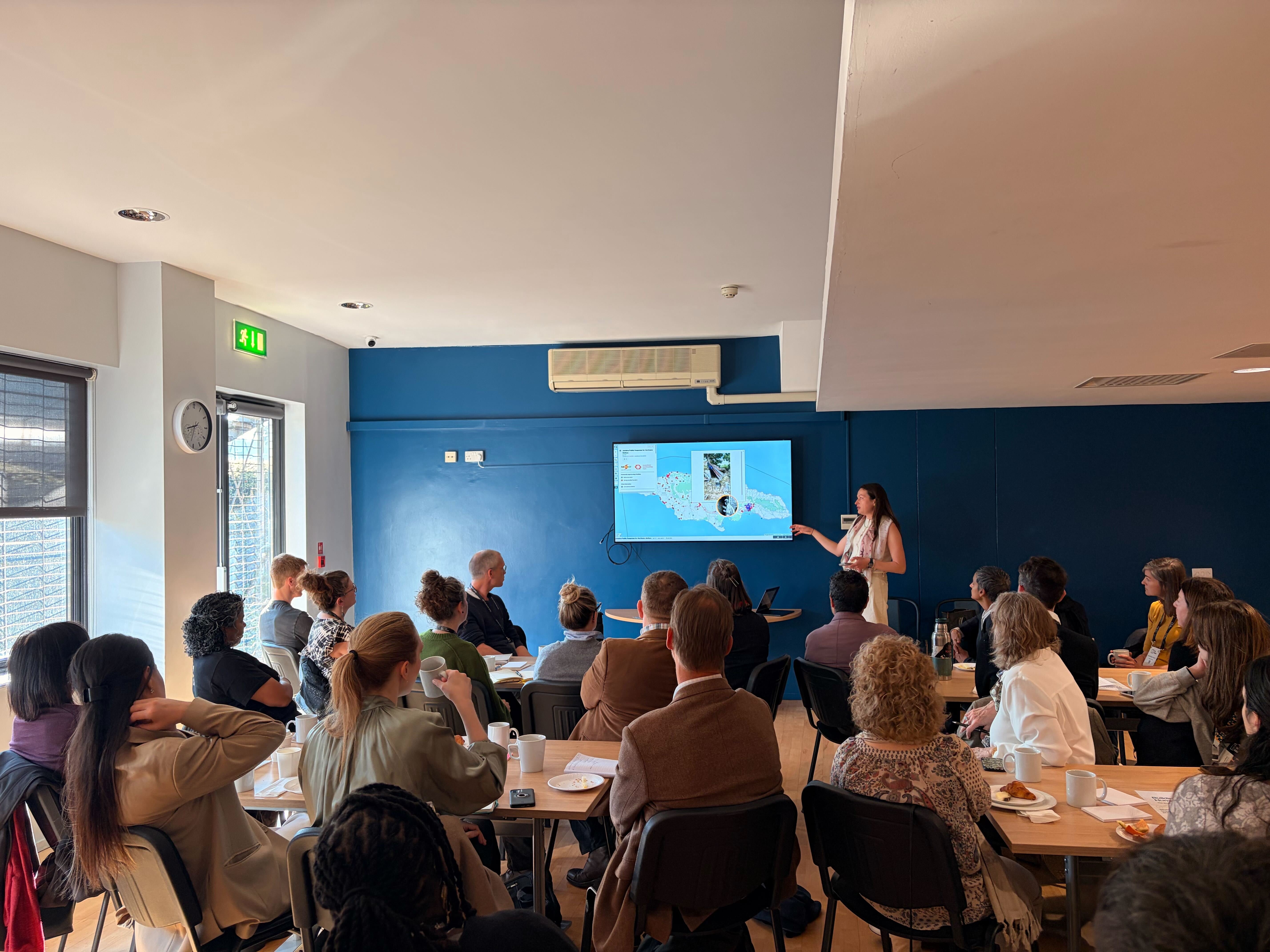
Do you know that “They don’t know” meme? The one where there’s a partygoer on the corner looking at everyone else dancing and thinking “They don’t know (insert whatever will make you laugh under this context)". Well, as an organization and social movement that has seen how open geospatial data and technology can change people's lives for the better, we are often that character standing on the corner, thinking, “They don’t know that open geospatial knowledge could solve most of their problems.”
We know it from the 10,000 residents of Nakuru City, Kenya, who saw their drainage systems upgraded and their risk of flooding reduced, thanks to one of our mapping projects. From the conflict-affected Sudanese who received aid from the United Nations Office for the Coordination of Humanitarian Affairs (OCHA), which relied on data collected through our campaigns for its logistics and planning. And from the hundreds of Jamaican residents who took matters into their own hands and started flying drones and chat mapping to identify the hardest-hit areas on the island after Hurricane Melissa struck.
These examples reassure us of the power that exists behind what we do. But in a landscape where key funders don’t want to pool their money for the party anymore, the question becomes: how do we invite every partygoer, without depleting our resources or our energy?
Intro to our Marketplace plan: while we wish we could replicate our recipe for open mapping on the whole world ourselves, we know it is not achievable. But we know that in Low and Middle Income Countries (LMICs), places that are often the most vulnerable to disasters and at the most need of geographic knowledge for development, there are already a lot of map enthusiasts, ranging from long-term professionals to incipient practitioners, who are ready to be looped in and trained into our methodology. Accredited by us and using our community-led open mapping workflow, they can go on to fulfill the needs of those who take data-driven decisions, while these activities become their livelihood.
That way:
1) Governments, development banks, humanitarian agencies, and more get the local high-quality data they need with their desired frequency.
2) Local mappers are trained, connected to key stakeholders, and able to create a sustainable professional career in their own communities.
3) We connect both sides, expanding on our impact delivery while maintaining our current structure and inputs.
While on paper this sounds really good, there are still many things that we need to put in motion to make this happen.
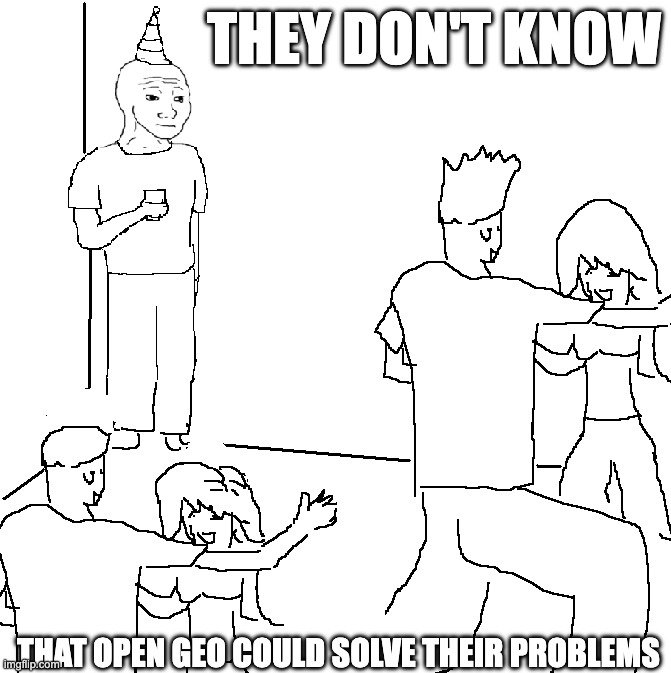
So it’s always good to reach out to those who have undergone or are going through a similar process to learn and exchange experiences. Fortunately for us, last month we had the amazing opportunity of attending the Skoll World Forum, an event where leaders and innovators working for social progress meet. While those other leaders and innovators might not be as familiar with the open geospatial world as we are, they know a thing or two about scaling innovative solutions, and we were very excited to discuss our plans with them.
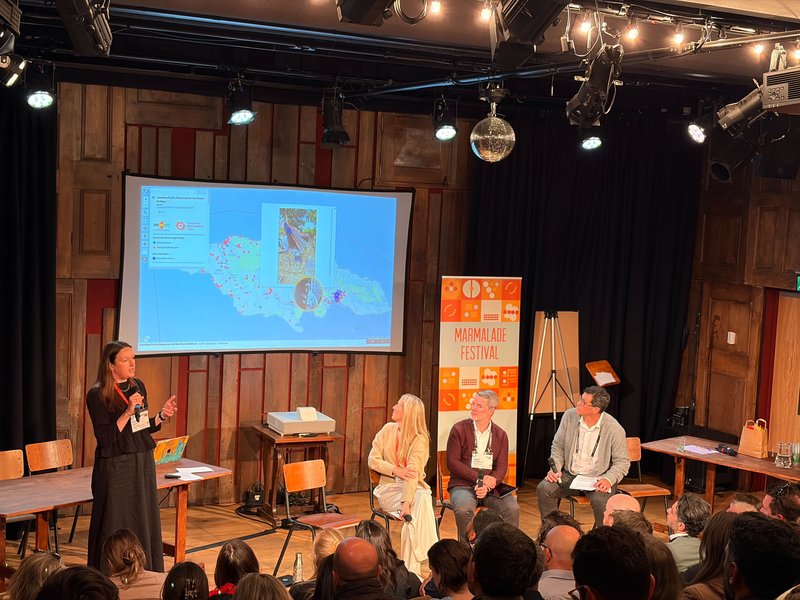
Rebecca Firth, HOT’s Executive Director, presents during the session “Counting the Uncounted”, along with Julie Cordua from Thorn, James Nardella from Last Mile Health, and Tim Kunihiro from Rippleworks.
What we found was a confirmation that we are going in the right direction. In the current economic and political landscape, organizations like ours need to reinvent the way we work, starting by betting on local partners who are already aligned with our mission to continue delivering impact.
What Skoll showed us was that, yes, it is often scary being the person on the corner who knows what needs to be done to keep the party going, but if we are vocal about our values and the reasons why we are engaging in change, more often than not we will find that other party goers are thinking the same as us, and even if they aren’t, they are probably ready to embrace our solution, and keep the cumbia going.
Share